Understanding EPA Mold Remediation Guidelines for Carpet Mold Issues
Why EPA Mold Remediation Guidelines Matter for Carpet Mold
If you have ever dealt with carpet mold in a home or business, you know the smell is unmistakable. But the real problem is what you cannot see. Mold spores can become airborne, affecting indoor air quality and potentially causing health issues for occupants. In the U.S., the EPA provides clear direction on how to handle these situations safely. Their EPA mold remediation guidelines are not just a bureaucratic checklist. They represent years of research into how mold behaves, how it affects buildings, and how to remove it without making things worse.
I have seen too many property owners try to handle carpet mold on their own, using bleach or store-bought sprays. That approach rarely works, and it can actually spread spores deeper into the carpet fibers or into the padding underneath. The EPA guidelines stress that proper remediation starts with understanding the root cause, which is almost always moisture issues. Without addressing the water or humidity problem, any cleaning is just temporary.
What the EPA Actually Says About Mold in Carpets
The EPA does not have a specific regulation for mold, but they do publish comprehensive guidance documents. These documents cover how to assess the extent of contamination, how to contain the work area, and what personal protective equipment is needed. For carpet mold, the EPA guidelines recommend a few key steps. First, if the carpet is heavily contaminated or has been wet for more than 24 to 48 hours, removal is usually the safest option. Second, if the carpet can be saved, it must be thoroughly dried and cleaned using antimicrobial treatments. Third, a HEPA vacuum should be used to capture fine spores after cleaning.
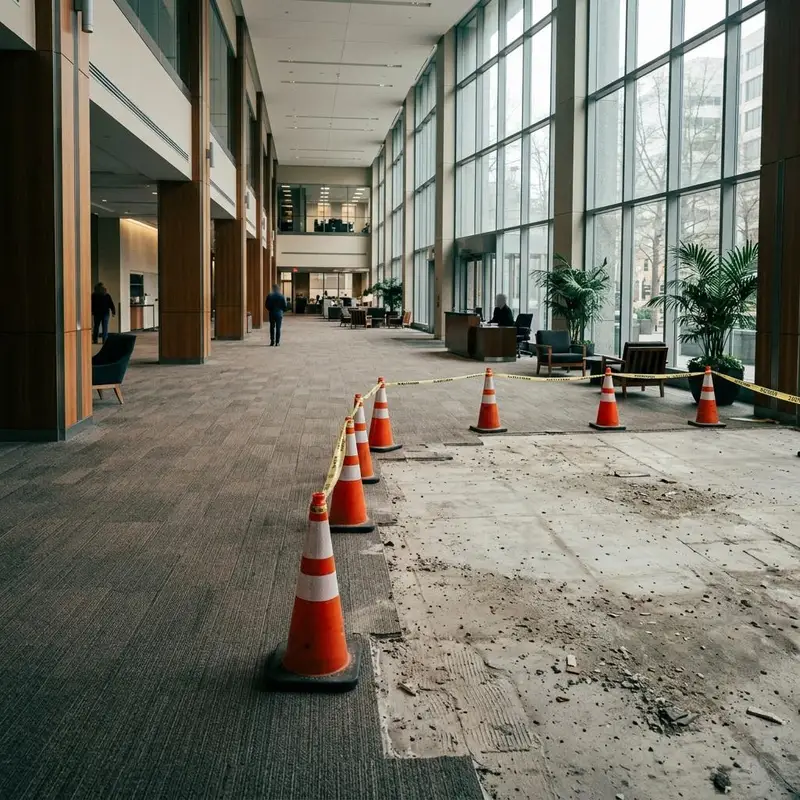
These steps sound straightforward, but in practice they require careful execution. I once consulted on a small office building where the cleaning crew tried to spot-clean carpet mold without sealing off the area. Within a week, mold appeared in three other rooms. The EPA mold remediation guidelines would have told them to isolate the work zone and use negative air pressure, but no one had read them. That is why professional service is often worth the investment.
Hidden Mold and the Challenge of Inspection
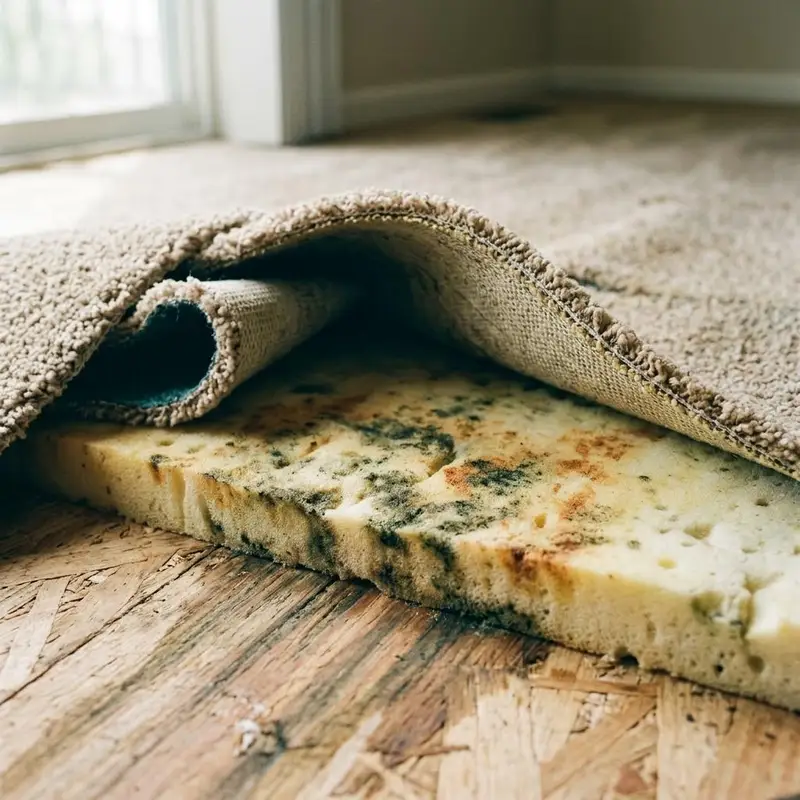
One of the trickiest parts of dealing with carpet mold is that it often hides. You might see a small patch on the surface, but the real colony could be in the carpet pad or even in the subfloor. That is why inspection is a critical step. A thorough inspection involves looking for signs of moisture issues, such as water stains, high humidity readings, or a musty odor. The EPA guidelines suggest using moisture meters and boroscopes to check under the carpet without pulling it up prematurely.
In my experience, hidden mold is more common than people think. I once worked with a family whose child had developed allergy symptoms that seemed to come from nowhere. An inspection revealed that the carpet in the basement had a thin layer of mold on the underside. The top looked clean, but the pad was saturated from a slow plumbing leak. Following the EPA mold remediation guidelines, we removed the carpet, treated the concrete slab with an antimicrobial solution, and installed a moisture barrier before laying new carpet. The child's symptoms improved within two weeks.
That case taught me that inspection is not just about looking. It is about understanding the building's history, its moisture sources, and the limits of what can be cleaned versus what must be replaced. The EPA guidelines emphasize that any porous material like carpet that has been wet for more than 48 hours should be discarded. That rule alone saves a lot of guesswork.
The Role of Moisture in Mold Growth
Mold cannot grow without moisture. That sounds simple, but moisture can come from many places: a leaky roof, a burst pipe, high humidity, or even condensation from an air conditioner. In the U.S., many homes and businesses have crawl spaces or basements where humidity levels stay high year-round. That constant moisture feeds mold growth in carpets, even if no visible water is present.
The EPA guidelines are very clear about the need to fix the moisture problem before attempting mold removal. If you dry out the carpet but leave a damp subfloor, the mold will return. I have seen remediation jobs fail because the contractor only cleaned the carpet and did not address the fact that the slab was wicking moisture from the ground. A proper approach involves drying the area, using dehumidifiers, and sometimes installing vapor barriers. For businesses, this can mean shutting down a section of the building for a few days, but it is better than repeated mold outbreaks.
Health Risks: Allergens, Mycotoxins, and Indoor Air Quality
Mold in carpets is not just a structural issue. It is a health issue. Many types of mold produce allergens that trigger asthma, sneezing, and skin irritation. Some molds also produce mycotoxins, which can cause more serious health problems with prolonged exposure. The EPA mold remediation guidelines are designed to protect both the people living or working in the building and the workers doing the cleanup.
I recall a case in a small office where employees had been complaining of headaches and fatigue for months. An indoor air quality test showed elevated spore counts in the carpeted areas. The mold was growing in the padding, invisible from above. Because the business followed the EPA guidelines, they were able to contain the area, remove the carpet safely, and prevent airborne spores from spreading to the rest of the building. The improvement in air quality was measurable within 24 hours.

For homes, the stakes are just as high. Children, elderly people, and those with respiratory conditions are more vulnerable. The EPA guidelines stress that anyone doing mold remediation should wear an N95 respirator or better, along with gloves and eye protection. That might seem like overkill for a small patch of carpet mold, but once you see what happens when spores become airborne, you understand why caution matters.
Practical Steps for Carpet Mold Removal
So what does a proper carpet mold removal process look like? Based on the EPA mold remediation guidelines and my own field experience, here are the core steps:
- Identify and fix the source of moisture before any cleaning begins. If the leak is not repaired, the mold will come back.
- Isolate the work area with plastic sheeting and tape. Use a HEPA vacuum to capture loose spores before disturbing the carpet.
- Remove the carpet and padding if they have been wet for more than 48 hours. Bag them immediately to prevent spore spread.
- Clean the subfloor with an antimicrobial solution and allow it to dry completely. Use a moisture meter to confirm dryness.
- Install new carpet only after the area is verified dry and the moisture issue is resolved. Consider using a moisture barrier underlayment.
These steps are not optional. Skipping any one of them can lead to a recurrence. I have seen property owners try to save money by reusing padding or by not sealing off the area, and every time, the mold returns within months. The EPA guidelines exist because these mistakes are common and costly.
When to Call a Professional
Some homeowners want to handle carpet mold themselves. That is understandable, especially for small areas. But if the contamination covers more than a few square feet, or if the mold is hidden, or if anyone in the building has health concerns, a professional service is the better choice. Professionals have HEPA vacuums, commercial-grade antimicrobials, and the training to follow the EPA mold remediation guidelines correctly.
Businesses face an additional challenge: liability. If an employee or customer gets sick from mold exposure, the consequences can be legal as well as medical. Following established guidelines shows due diligence. It also ensures that the remediation is thorough enough to pass an indoor air quality test later.
In the U.S., there is no federal license for mold remediation, but the EPA guidelines serve as the standard of care. Any reputable service should be able to explain how they apply these guidelines to carpet mold situations. I always recommend asking a potential contractor about their drying protocols, their containment methods, and whether they use HEPA vacuums. If they cannot answer clearly, look elsewhere.
Final Thoughts on Following the Guidelines
Carpet mold is not something to ignore or treat with a quick fix. The EPA mold remediation guidelines offer a proven path to solving the problem safely and permanently. They remind us that moisture control is the foundation of any mold strategy, and that proper inspection, containment, and removal are all essential parts of the process.
Whether you are dealing with a small patch in a home or a large area in a business, the same principles apply. Fix the moisture, remove the contaminated material, clean thoroughly, and confirm the area is dry before replacing anything. That approach protects indoor air quality, reduces allergens and mycotoxins, and saves money in the long run by preventing repeat issues.
If you suspect carpet mold in your property, start with a careful inspection. If you find moisture issues or visible growth, take action quickly. The longer mold sits, the deeper it penetrates. And if the job looks bigger than a simple spot clean, call a professional who knows the EPA guidelines. Your health and your building will be better for it.